PROMO! PROMO!! PROM!!
 
Musical Instruments: There are hundreds of different kinds of musical instruments in the world. Almost every country has its own traditional music and musical instruments that have been developed over the centuries. Each musical instrument has its own melody, pitch, rhythm, timbre, loudness, and duration, as well as the notes and chords.

Musical Instruments
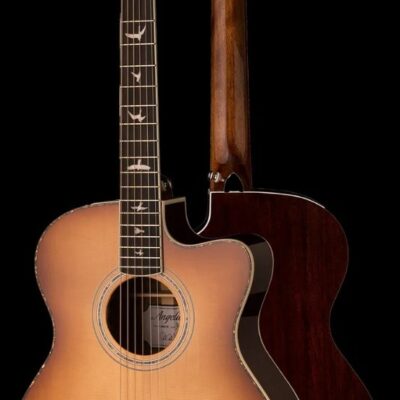
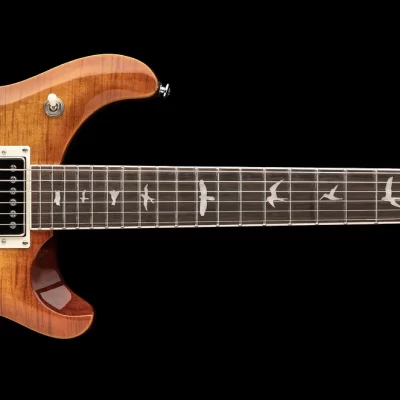
can be classified on the basis of the kind of instrument: chordophones (strings), aerophones (woodwinds and brasses), idiophones (percussion), and membranophones (drums). Stringed instruments or chordophones are those that produce sounds when a string is plucked or strummed.


The kind of sound produced depends on the mass of the string, length of the vibrating portion of the string, tension in the string, and the point at which the string is strummed apart from the kind of resonating cavity in the instrument. Viola, violin, cello, guitar, mandolin, fiddle, harp, lute, banjo, balalaika, koto, ukulele, etc. are some of the string instruments. More

Woodwinds and brasses generate music when air enters the instrument by blowing. This air vibrates inside the instrument in a particular frequency, thus producing sound. The kind of musicdepends on the method of tone production, the shape of the instrument, the length of the column of air in addition to the construction of the instrument. Flute, piccolo, clarinet, oboe, horn, mouth organ, saxophone, and bassoon are some of the winds instruments, while the French horn, tuba, trumpet, and trombone are brass instruments.

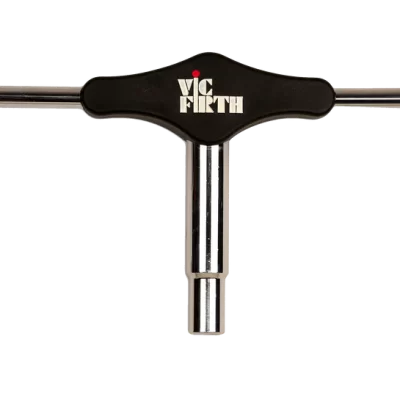
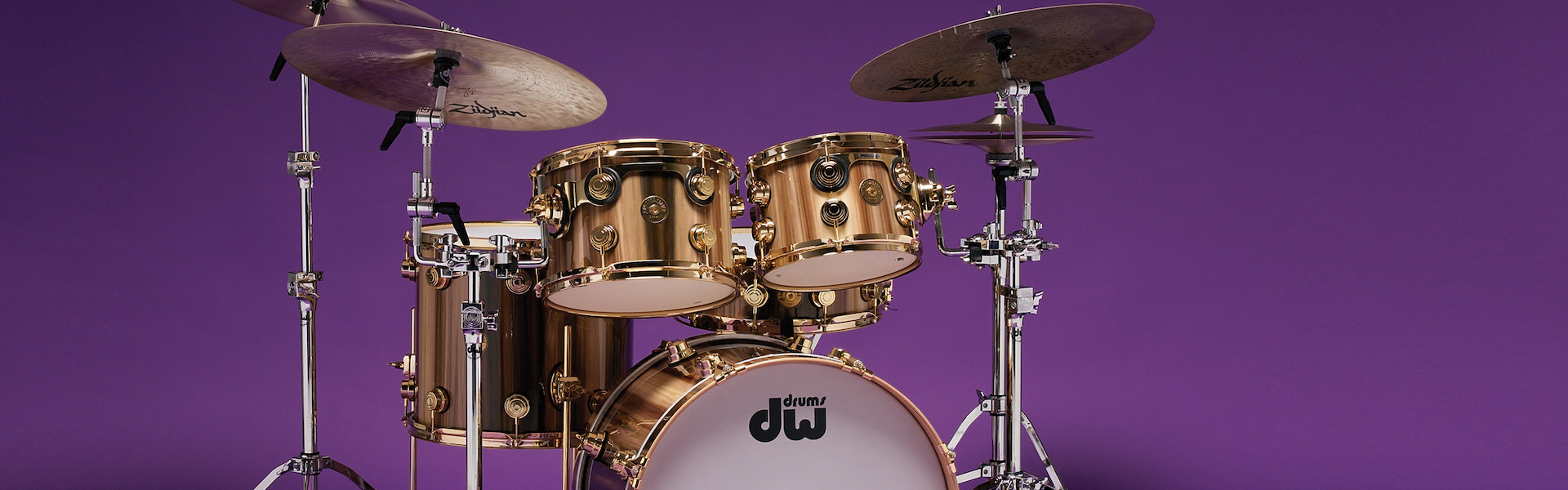
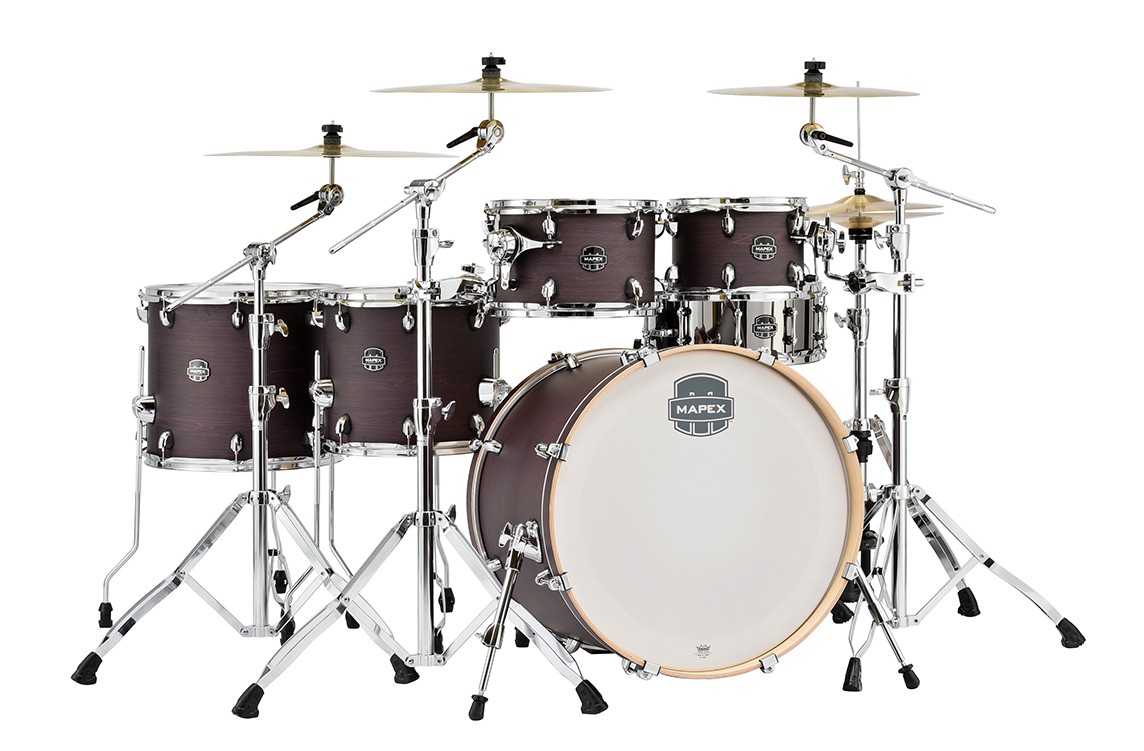
Percussion instruments produce sounds when struck. The size of the instrument along with the shape of the resonating cavity determines the sound produced. Some percussion musical instruments include the cymbals, the snare drum, bells, gong chime, xylophone, the bass drum, maracas, castanet and the timpani.

Drums include the goblet drums, the barrel drum, the frame drum, the tambourine, and the friction drum. Other kinds of musical instruments are the piano, keyboards, organ, harpsichord, and the Glockenspiel. Each of these musical instruments has sub-categories within them. Musical instruments can also be categorized on the basis of their playing levels—some are suitable for all kinds of players while some are meant only for beginners.

Musical instruments range from simple to complex. They differ from one part of the world to another. But all instruments produce sound the same way, by means of vibrations (rapid back-and-forth movements). These vibrations reach our ears as sound waves. We can group musical instruments into families by how they produce vibrations. Vibrations come from striking, plucking, and blowing on instruments, or by moving a bow across them. Faster vibrations produce higher notes.


INSTRUMENTS WE BLOW ON

Flutes, trumpets, saxophones, and other instruments produce sound through vibrations of air. A flute sounds when we breathe air into a hole on its side or its end. By covering finger holes on the flute, we can change the pitch of the notes—how high or low the notes are.

In some instruments, a thin piece of metal or plastic in the mouthpiece vibrates when we blow on it. These instruments are called reed instruments. They include the bassoon, clarinet, oboe, and saxophone. The bagpipe is also a reed instrument. The bagpiper blows air into the bags, and presses the bags to send air into the pipes where a reed vibrates. Pressure from our lips helps make the air vibrate when we blow into a horn, trombone, trumpet, or tuba.


INSTRUMENTS WITH STRINGS

Some musical instruments, such as violins and harps, have strings that vibrate. Stretching the strings by plucking or striking makes them vibrate. Violins, violas, and cellos are played by drawing a bow across their strings. The guitar, lute, banjo, and harp have strings that are plucked with the fingers. The piano has strings and a keyboard. Pressing a key on the keyboard causes a string to be hit with a small hammer.

INSTRUMENTS WITH ELECTRICITY

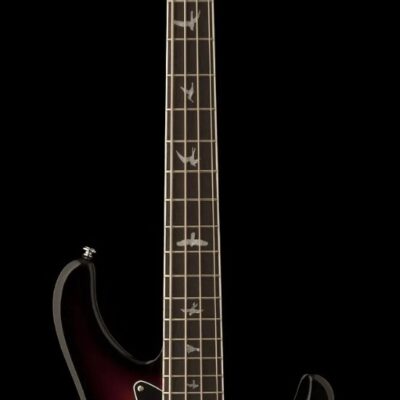
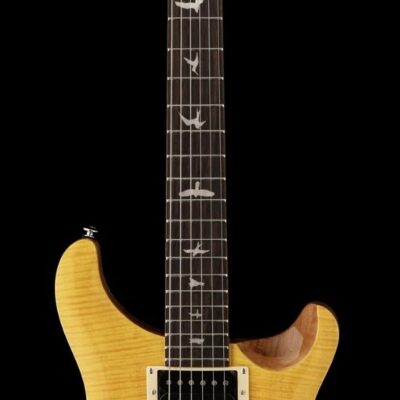
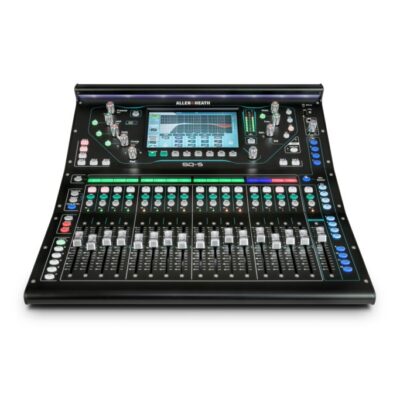
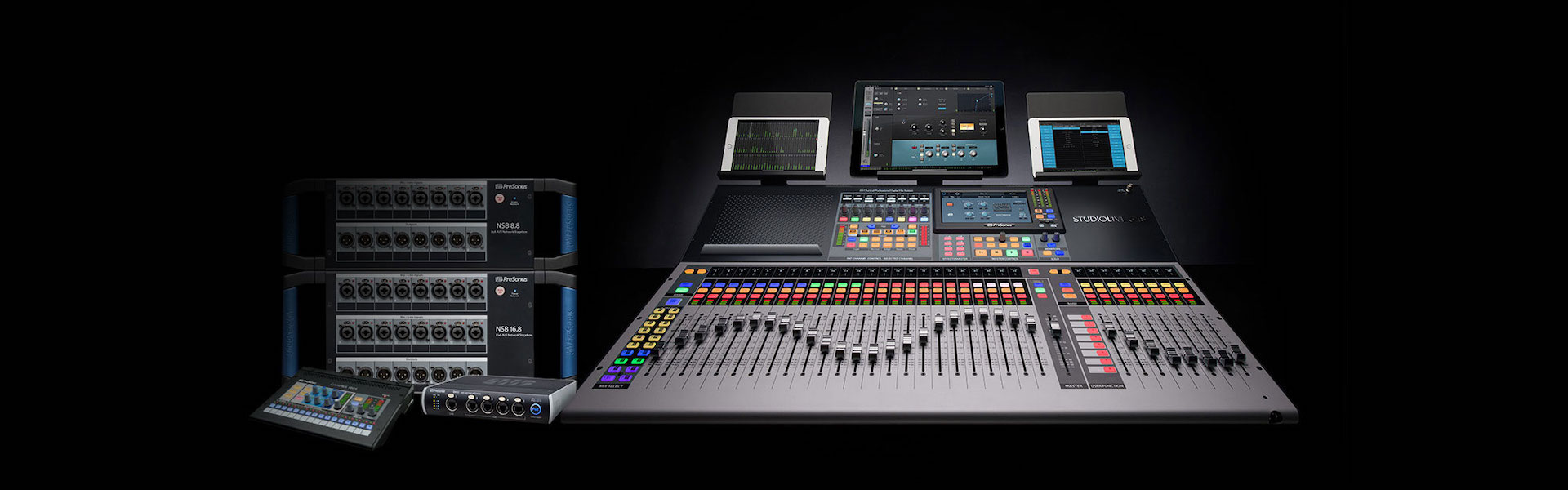
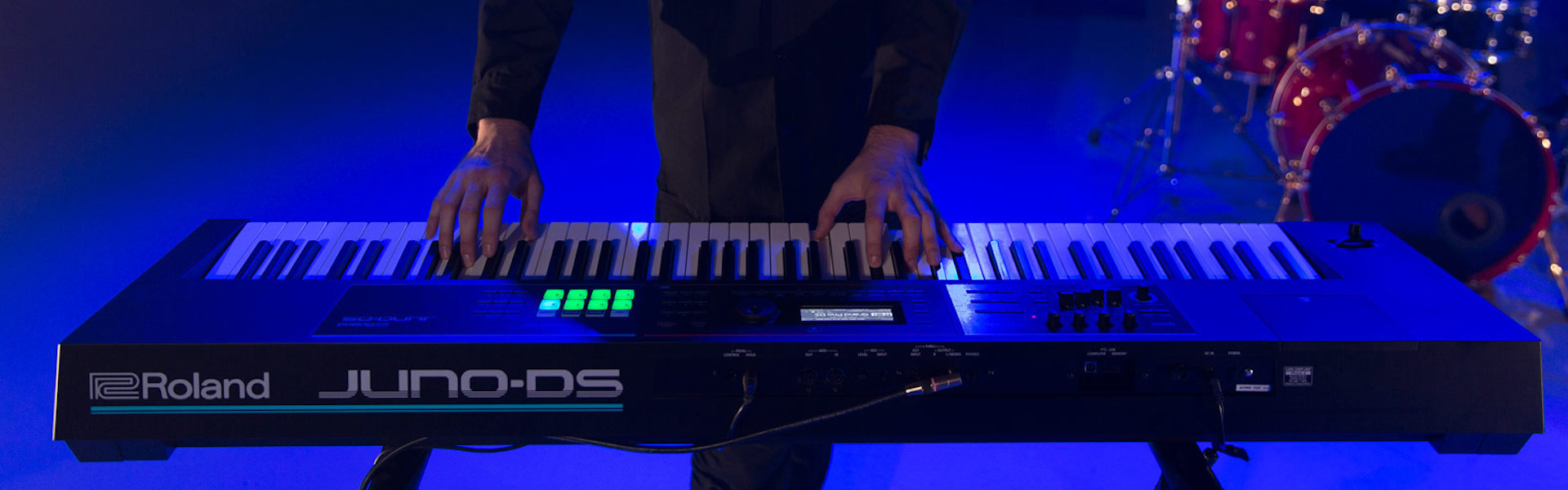
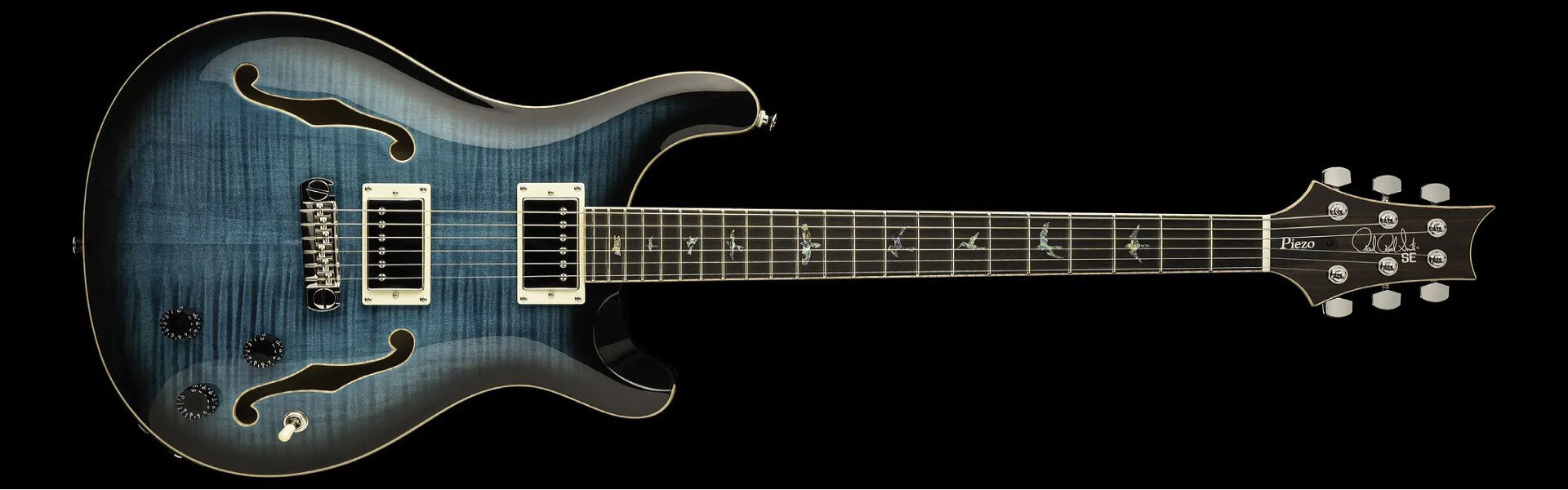
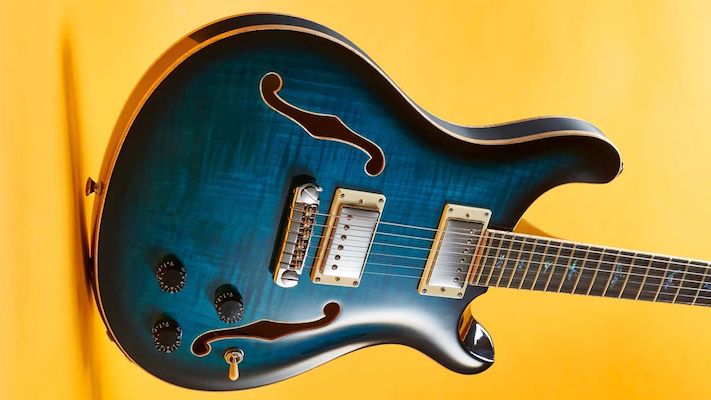
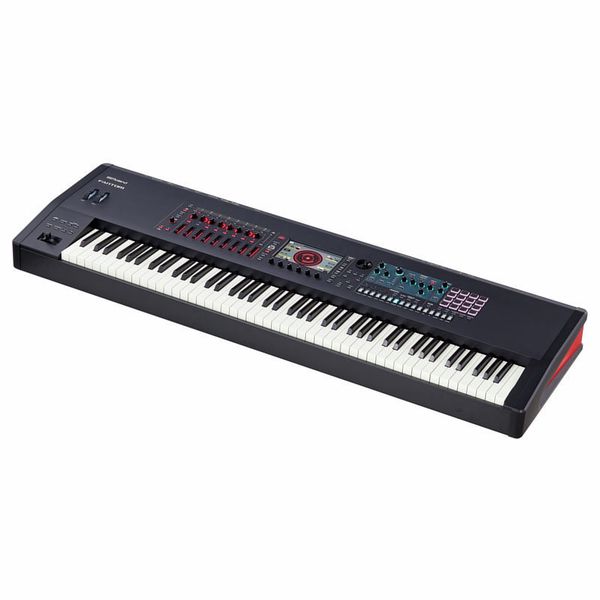
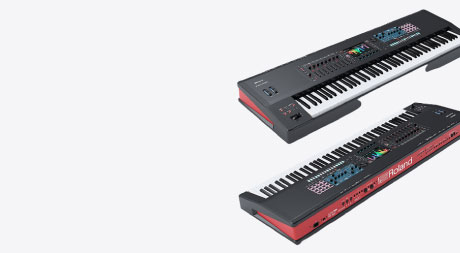
Some instruments use electrical equipment to produce or change their sounds. Electric guitars use electric current to make their sound a lot louder than the usual guitar. Synthesizers use electric current to produce sound. A group of synthesizers linked together can produce the sound of an entire orchestra. Computers control sound synthesizers made today.


© 2009 - 2012 Virtual Sound Laboratory (Ghana). Powered By Del Anderson.